
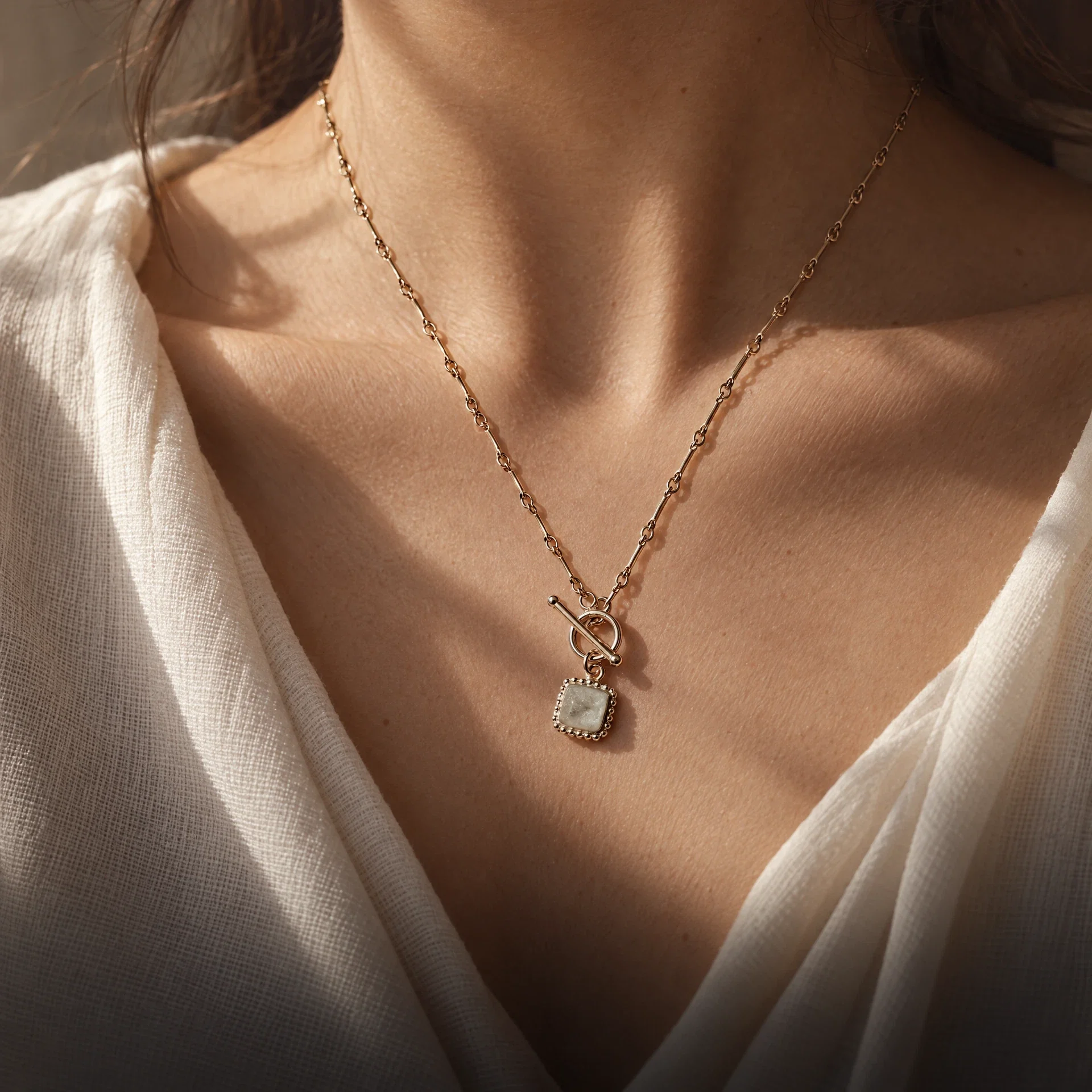
Choosing cremation rings involves more than finding a design you like. A ring may represent a person, a beloved animal companion, or a private connection that you do not want to explain. Its meaning can be deeply personal, while the practical questions remain familiar: Does it fit comfortably, suit your routines, and come with clear information about its construction and care?
There is no single right way to wear cremation rings. Some people prefer daily contact with a keepsake; others reserve it for quiet occasions or keep it safely stored. Neither approach makes the remembrance more or less meaningful. Begin with what feels manageable now, rather than assuming that choosing a ring creates an obligation to wear it constantly.
Understand What the Ring Holds and What It Means
The term cremation rings can describe different types of jewelry. Some designs have a compartment intended to hold a small portion of cremated remains. Others incorporate remains into a decorative element, potentially within resin or another medium. A remembrance design may also symbolize someone without containing remains at all. Ask exactly what a proposed ring contains and how that element is incorporated.
When comparing cremation rings, distinguish appearance from construction. A visible inclusion does not explain the surrounding material, and a discreet chamber does not reveal how its closure works. Request a plain-language description of the setting, any compartment, and any bonding or sealing materials. Photographs may help you understand proportions, but they cannot establish resistance to water, impact, chemicals, or future repair.
For example, someone who wants a private memorial might favor a ring that looks like ordinary jewelry, while someone who welcomes conversation might prefer a visible remembrance element. These are examples of preferences, not descriptions of D LOVE JEWELRY products. Consider whether you would feel comfortable answering questions about the piece, and whether its meaning should be apparent only to you.
Before arranging anything involving cremation rings, establish who is comfortable with using the remains and who has authority to make that decision. Family expectations, cultural practices, and local requirements may differ. If the choice feels unsettled, a symbolic piece or a period of waiting can leave room for discussion. You do not need to resolve every question immediately.
The handling of remains deserves its own conversation. Do not estimate a preparation quantity or assume ordinary mailing arrangements are suitable. Obtain written instructions from the intended recipient and check applicable local information before sending anything. If you want to explore the subject with D LOVE JEWELRY, use the cremation remembrance overview as a starting point and ask the brand to confirm its current details.
Gifting cremation rings calls for particular sensitivity. A surprise may place the recipient in the difficult position of accepting a form of remembrance they would not have chosen. Instead, ask whether jewelry interests them at all, whether they want remains incorporated, and whether they would prefer to participate in the decision. An invitation without a deadline is often more considerate than a finished object.
Assess Fit, Proportion, and Hand Comfort
A comfortable fit matters especially with cremation rings because the emotional importance of a piece can make people reluctant to remove it. The ring should sit securely without painful pressure and pass over the knuckle with manageable resistance. Finger size can vary with temperature and daily activity, so a single quick measurement may not describe your usual fit well.
Band width changes how a size feels. A broad band may feel tighter than a narrow band with the same marked size, while a substantial top can rotate if the fit is too loose. When assessing cremation rings, compare the proposed width and profile with rings you already find comfortable. Professional sizing with a comparable-width gauge can help reduce guesswork, though it cannot guarantee comfort in every condition.
Look beyond the view from above. A raised setting can catch on pockets, knitwear, gloves, or bedding; a wide top can press against neighboring fingers. For example, a person who frequently wears close-fitting work gloves may prioritize a lower profile, provided that the actual design permits it. Someone who types for long periods may notice band edges more than decorative details.
Resizing cremation rings may be complicated by a compartment, a continuous design, an incorporated material, or the location of a decorative element. Do not assume a conventional resizing method is appropriate. Ask whether the specific design can be resized, within what limits, and whether the remembrance portion would be affected. Request current details rather than interpreting a familiar ring shape as evidence of repairability.
Choose the wearing finger before finalizing a size. The same finger on opposite hands may differ, and dominant-hand activities can change comfort or exposure to knocks. If you intend to stack the ring, consider the combined width and contact between settings. A neighboring band may rub a surface or make the overall fit feel tighter even when each ring fits separately.
For daily-wear cremation rings, think through a typical day rather than an idealized one. Do you lift weights, garden, handle cleaning products, or work around machinery? Some tasks call for removing any ring because of snagging, impact, or workplace safety rules. The everyday jewelry guidance can support this broader assessment, but the specific piece still needs its own care instructions.
Compare Materials and Construction Honestly
Material descriptions for cremation rings should identify both the metal and the remembrance element. A metal name alone does not describe coatings, joins, adhesives, resin, or decorative stones. Ask which components are exposed to skin and which surfaces may need special care. If you have a known sensitivity, seek the exact material information rather than relying on reassuring terms such as gentle or skin-friendly.
For U.S. descriptions, sterling silver means at least 925 parts per thousand silver. Gold-filled is not solid gold; it describes a gold layer bonded to a base metal under applicable requirements. Vermeil descriptions also have specific FTC conditions concerning the silver base, gold quality, and coating thickness. These distinctions matter when comparing appearance, maintenance needs, and the information provided about a piece.
Marks on cremation rings can be useful clues, but a hallmark is not proof of authenticity by itself. Ask for a written description that matches the proposed item, including whether the finish is plated or otherwise layered. A photograph showing a stamp cannot settle every material question. Also clarify what surface changes could occur with wear and what maintenance, if any, is appropriate.
For cremation rings with resin or another composite element, ask about that material separately from the metal. Do not assume that a smooth surface behaves like a gemstone or that a metal surround makes the entire piece waterproof. Exposure limits may differ across components, and repair could involve more than ordinary polishing. If the material cannot be identified clearly, the care requirements remain uncertain.
Consider the tradeoff between visual prominence and ease of wearing. A large remembrance element may be easier to see but more exposed to accidental contact. A protective surround may reduce some direct contact without eliminating damage risks. A lower profile may suit your habits better, but it does not automatically establish strength. Evaluate the actual construction rather than treating a design feature as a durability guarantee.
Before selecting cremation rings through any consultation, gather a short written summary: materials, dimensions, closure or incorporation method, resizing limits, and care restrictions. Use the jewelry collections overview to explore visual direction without assuming current availability. Ask D LOVE JEWELRY to confirm what it can currently discuss or provide, along with any relevant process and policy details.
Plan for Care, Removal, and Long-Term Decisions
A cautious care routine for cremation rings starts with the instructions for the complete piece, not just its metal. Chemicals, fragrance, chlorine, and heat can harm some jewelry components. Apply personal-care products before putting jewelry on, and remove the ring before cleaning or swimming. If water exposure is not expressly addressed, ask rather than assuming that handwashing, showering, or soaking is acceptable.
Cleaning cremation rings should not begin with a universal jewelry-cleaning recipe. Ultrasonic equipment, steam, commercial dips, and household cleaners may be unsuitable for delicate gems, pearls, organic materials, resin, or bonded components. Ask whether a soft, dry cloth is appropriate and whether any damp cleaning is permitted. The GIA jewelry care guidance offers general context, but it cannot replace instructions for the specific construction.
Make removal predictable. Keep a designated jewelry container away from sink edges, drains, and busy work surfaces, and separate the ring from pieces that could scratch it. If you remove it outside the home, use a secure container rather than a tissue or loose pocket. These habits do not guarantee against loss, but they reduce avoidable handling mistakes during ordinary routines.
Check cremation rings periodically for changes such as a loose setting, movement in a closure, a crack, or an unfamiliar sharp edge. If something seems different, stop wearing the piece until you have appropriate guidance. Do not tighten a compartment or apply glue without written instructions. Any repair discussion should address both the jewelry and the handling of its remembrance element.
Your relationship with cremation rings may change over time. A piece worn daily at first may later feel better reserved for certain occasions, or the reverse may happen. Let wearing frequency follow your comfort rather than a rule. Before committing, use the D LOVE JEWELRY consultation contact page to clarify unanswered practical questions. A considered choice leaves space for both remembrance and everyday life.