
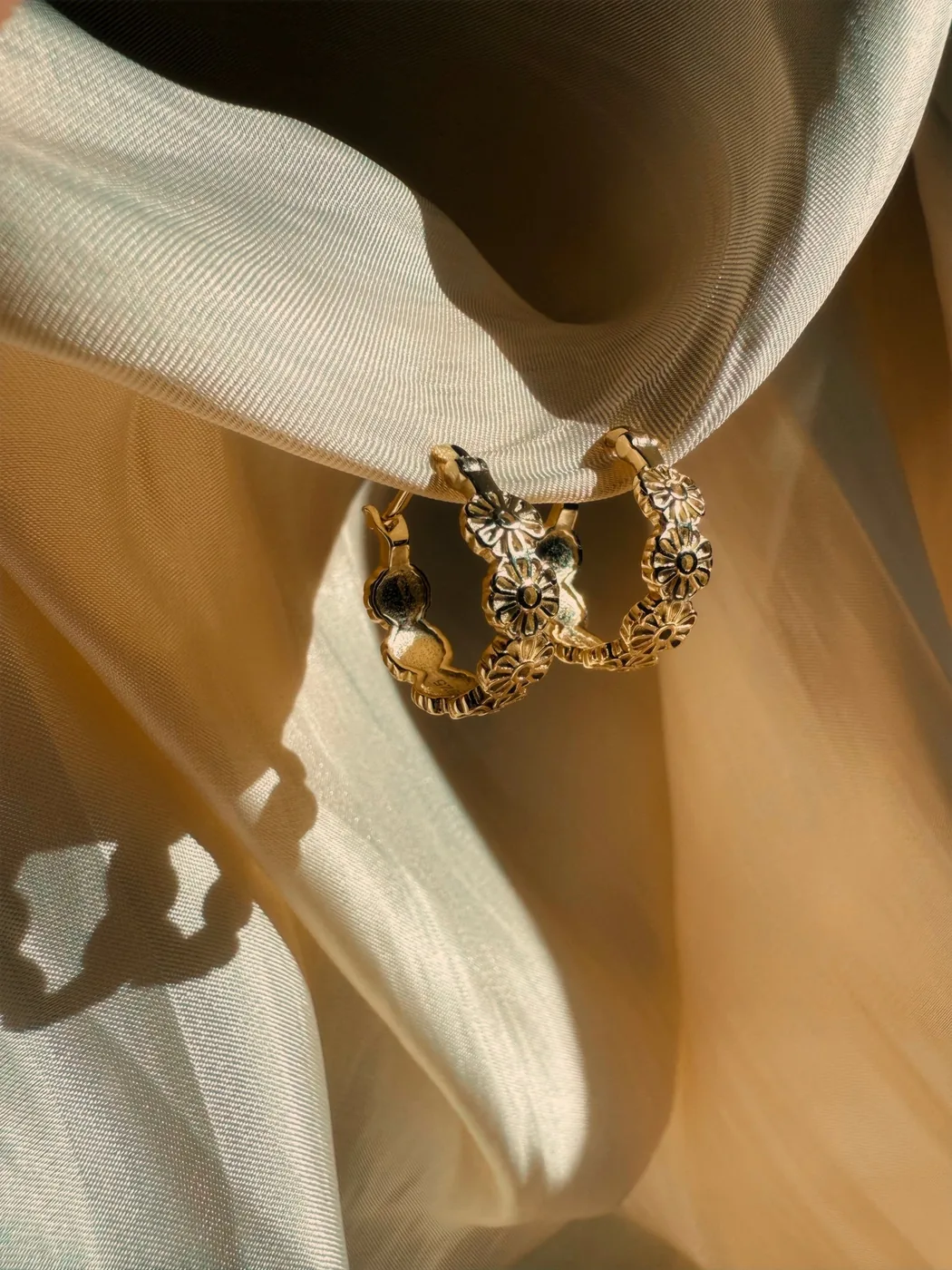
The best travel jewelry plan starts with your itinerary, not your entire jewelry box. A necklace that works beautifully at dinner may be inconvenient during a walking tour, while a treasured ring can become a source of worry around swimming pools or unfamiliar accommodation. Packing lightly means choosing pieces that suit the activities ahead and giving each one a secure place when you are not wearing it.
Think of travel jewelry as a small, deliberate wardrobe rather than a collection of backups. You need enough variety to feel like yourself, but not so much that checking, untangling, and storing accessories becomes another daily task. A few decisions before departure can reduce both clutter and avoidable damage.
Build a travel jewelry capsule around your itinerary
Start by listing activities rather than outfits: transit, sightseeing, work meetings, evening meals, swimming, and exercise. Then identify which activities call for no jewelry at all. A beach holiday may need fewer pieces than a city break with several dinners, even if both trips last a week. Check whether religious sites, workplaces, or planned activities have dress or safety requirements that affect what you can wear.
A useful travel jewelry capsule might include one short necklace, a pair of comfortable earrings, and one ring or bracelet. This is an example, not a fixed formula. Someone who rarely wears necklaces might choose two pairs of earrings instead. Select pieces that coordinate with most of your clothing, and test unfamiliar combinations before packing rather than discovering awkward lengths or snagging details away from home.
Evaluate each candidate against three questions: Will I wear it repeatedly? Can I store it securely? Would losing it substantially change the trip? Monetary value is only one consideration. An inexpensive inherited pendant may be harder to replace emotionally than a more costly contemporary piece. Leaving something at home is not a failure to enjoy it; it can be a practical way to protect its significance.
- For active days: favor compact shapes that do not swing, catch on straps, or require frequent adjustment.
- For evenings: choose one piece that changes the look of otherwise simple clothing.
- For mixed schedules: prioritize accessories that work with both casual and dressier outfits.
- For uncertain conditions: leave delicate, irreplaceable, or difficult-to-clean pieces at home.
Material information matters when choosing travel jewelry. Do not assume that a gold-colored surface is solid gold, or that gold-filled and solid gold are interchangeable. Sterling silver is at least 925/1000 silver, but a stamped mark alone does not prove authenticity. If the material or construction is unclear, obtain reliable information before planning exposure to water, perspiration, or cleaning products.
Browse the everyday jewelry overview for styling context, then treat any specific piece as a separate care decision. Comfort, clasp security, and suitability for your itinerary matter more than building a perfectly matching set.
Before committing to your travel jewelry selection, wear the proposed capsule for an ordinary day. Check earrings while using headphones, necklaces beneath coat collars, and bracelets beside watch straps. A piece that needs constant adjustment at home is unlikely to become easier to manage in an airport or on a crowded train.
Pack travel jewelry so pieces cannot damage each other
Choose a case with enough separation for the pieces you are bringing, rather than the largest organizer available. Structured compartments offer useful protection against crushing, but add bulk. A soft roll is lighter and easier to fit into a bag, yet may not protect projecting settings from pressure. For delicate shapes, a small rigid container inside your main organizer can be the better compromise.
The central rule for packing travel jewelry is simple: prevent movement and contact. A hard gemstone can scratch softer materials, and metal edges can mark polished surfaces. Keep earrings paired but separate from necklaces, and place each delicate pendant in its own clean, soft compartment. Do not assume a shared pouch is protective just because its lining feels gentle.
Fasten necklace clasps before packing. Lay chains individually in channels designed to keep them extended, or use separate small pouches if no suitable channels are available. Keep a pendant supported rather than allowing it to slide and strike neighboring pieces. Thick chains, rigid collars, and fragile fine chains need different storage arrangements; one organizer will not necessarily suit them all.
A compact travel jewelry case should fit inside a bag you keep with you during transit. Avoid checking valuable or irreplaceable jewelry when you can reasonably keep it under your control, and follow the carrier's current baggage and security requirements. Accessible does not mean loose: the case should have a designated pocket, not sit unsecured beside snacks, chargers, and keys.
- Lay out every selected piece on a clean surface and inspect it in good light.
- Look for loose stones, distorted hooks, worn links, or clasps that do not close reliably.
- Photograph the pieces and record useful identifying details for your private records.
- Place each piece in its assigned compartment, then gently check that it cannot rattle against another.
- Put the closed case in its designated bag pocket before packing surrounding items.
Photographs can help document what you brought, but they are not a substitute for an appraisal or proof required by an insurer. If coverage matters, ask your insurer about travel limits, exclusions, documentation, and unattended-property rules before departure. For international journeys, also check applicable customs requirements for valuable personal belongings.
Keep your travel jewelry packing system easy to reverse. If replacing one necklace requires emptying the whole case, you may be tempted to leave it on a bedside table instead. Leave enough room to close the organizer without forcing it, and keep the same compartment assignment throughout the trip.
Protect travel jewelry during outings and overnight stays
Removing jewelry at the right time is often more effective than trying to clean away damage later. Take pieces off before swimming, vigorous exercise, or activities involving tools and repeated impact. Chlorine, chemicals, fragrance, and heat can harm some metals, gemstones, pearls, and organic or resin-based pieces. Salt water and sand also create practical risks, including abrasion and loss.
Build removal into your travel jewelry routine before leaving the room. If swimming is on the schedule, store the relevant pieces before heading to the pool rather than improvising a hiding place in a towel. Cold water can change how securely a ring fits, while sunscreen and wet hands make small pieces harder to grip.
At your accommodation, establish one storage location away from sinks, floor edges, and housekeeping surfaces. A closed case is preferable to an open dish, especially when several people share a room. A room safe may help control access, but its presence alone does not establish security or insurance coverage. Consider the property's guidance and your own coverage requirements rather than assuming valuables are protected.
For sightseeing, choose travel jewelry with the local setting in mind. Highly visible valuable pieces can attract unwanted attention in some situations. A discreet choice may make busy transit or crowded markets feel less complicated, but no accessory choice guarantees safety. Avoid adjusting or unpacking your entire case in public when only one item needs attention.
Make a short check part of changing locations: earrings, necklace, hands, case. Do it before leaving a hotel room, restaurant bathroom, or changing area. Never place jewelry on a sink rim while washing your hands. If you must remove a piece unexpectedly, use a closed designated pouch rather than a tissue that could be discarded.
Meaningful keepsakes deserve particular thought within a travel jewelry plan. A cremation or breast-milk keepsake may carry an emotional importance that outweighs the benefit of wearing it away from home. The cremation keepsake information and breast-milk keepsake information can provide context for a consultation. Ask about the specific piece's care limitations; do not assume water resistance or durability from appearance alone.
Care for travel jewelry without improvising repairs
Pack a clean, soft cloth and any storage pouch appropriate to the confirmed materials. Avoid carrying an assortment of cleaners unless you know each is suitable for every piece it might touch. A product intended for one metal may be inappropriate for a gemstone, surface coating, pearl, or adhesive. Keeping jewelry separate and dry reduces the need for intervention during a short trip.
When travel jewelry needs cleaning, begin with its specific care instructions. Do not treat soap and water as universally safe, and avoid hotel toiletries, toothpaste, alcohol wipes, or household sprays as substitutes. Ultrasonic cleaning is unsuitable for some gems and constructions. The GIA jewelry care guidance explains why material-aware cleaning matters.
If a clasp starts opening, a stone moves, or a chain catches repeatedly, stop wearing the piece and store it separately. Do not squeeze settings or bend small components with improvised tools. A temporary adjustment can hide damage or make a later repair more difficult. Photograph the problem if useful, then arrange an appropriate assessment after returning.
Before choosing unfamiliar travel jewelry from the brand showcase, use the D LOVE JEWELRY consultation contact to ask for current material and care details. Confirm anything relevant to your itinerary, including cleaning restrictions and recommended storage. The website should not be treated as confirmation of availability, purchasing arrangements, or repair services.
After unpacking, check every piece against your departure photograph, inspect closures, and return items to their usual storage. Let the experience refine your next travel jewelry capsule: remove pieces you never wore, improve compartments that allowed tangles, and keep the combinations that made getting dressed easy. The goal is a manageable selection, not a miniature version of everything you own.